The Best Way to Save Your Seeds
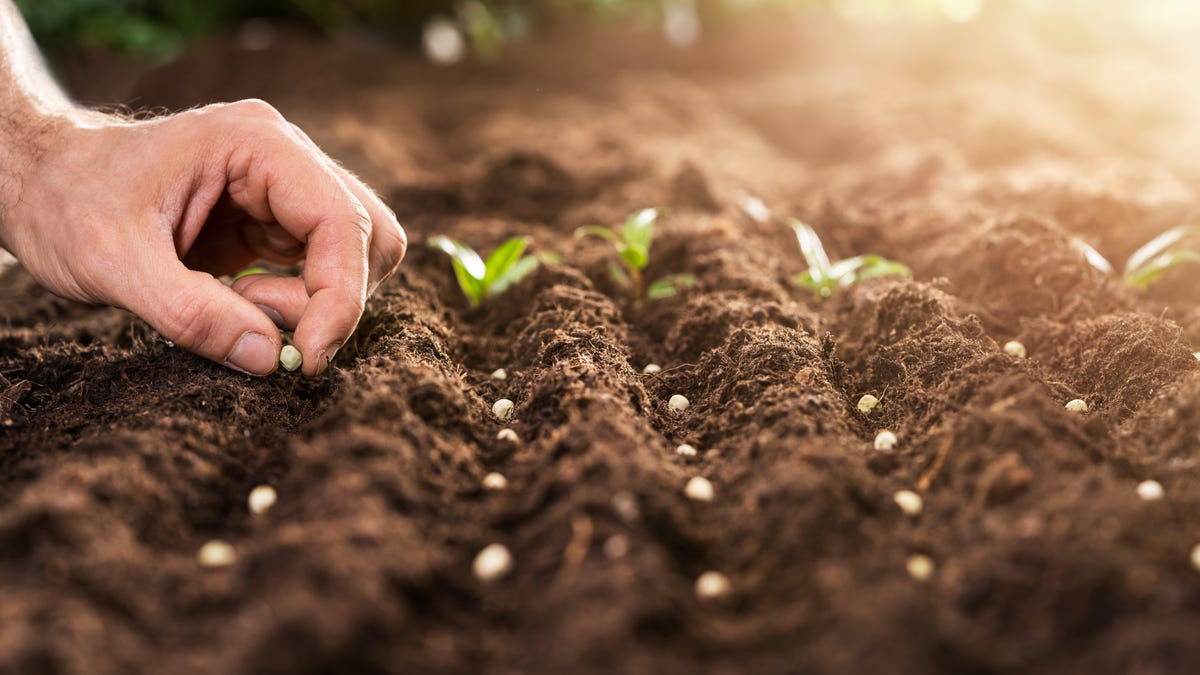
Saving seeds seems like a difficult task until you actually do it. But with the cost of a packet of seeds now ranging from $4 to $10, the financial incentive is worth it. Plus, you’ll get vegetable seeds that are especially good for your garden. Plus, you feel a certain smug satisfaction when you complete the planting/harvesting/seeds/planting again cycle. Here are the tips I wish I had when I first started.
Focus on what’s important
The first year you save seeds, commit to saving no more than 10 seed varieties. This is a hobby you want to grow into. You can easily lose track of what’s what and get confused. I recommend choosing ten of your favorite vegetables that are usually easy to collect seeds from, and then saving those seeds.
Choose only the best
There are a million varieties of flowers and vegetables that you can grow. Sometimes these seed banks are close to the region and your garden center is probably nearby, but they are not in your yard. It’s hard to know what will work best for your specific yard, but once you notice which varieties do well, these are the seeds to save. Every year I am surprised and amazed at which tomatoes do really well, resisting blossom end rot and all the other viruses. This is the variety I want to save seeds from.
Next, when saving seeds, you want to choose especially good specimens. Don’t choose the wrong tomato: choose a large, well-formed and really healthy looking tomato, and choose one that is perfectly ripe.
Ferment the seeds
One of the tricks I learned was that wet seeds benefit from a little fermentation. Wet seeds include tomatoes, tomatillos, eggplants, and any seeds that become wet when you remove them. Once you scoop up the seeds, add them to a small mason jar with a little water, rinse well, and then let them cool on the counter or table somewhere around 68 degrees Fahrenheit for a few days. It goes without saying, but don’t forget to label the jar. I use masking tape and a marker.
Flower seeds do not benefit from this process; They are dry when you pick them, so don’t add water or ferment them. The same goes for peas, beans and onions, which become dry when harvested.
If you see white mold, it may scare you, but it is completely normal and can be stirred up. You want the gel around the seed to disappear, and once that happens, fermentation is over. This should take two to three days. If you see sprouts, you’ve waited too long and those seeds are now toasted and should be discarded.
Now rinse the seeds well under the tap and let them drain. Once they are decently dry, place them on a ceramic or glass surface so they can dry. Don’t use paper towels because the seeds will stick to them. Transfer the tape to a plate so you know what kind of seeds you are working with here, and after placing the seeds in a single layer, let them dry for the next two weeks in a room with good air circulation. When they are completely dry, place them in a sealed envelope, which is better than a ziplock bag because it blocks out the light. Make sure it is well labeled.