How to Wash a Weighted Blanket
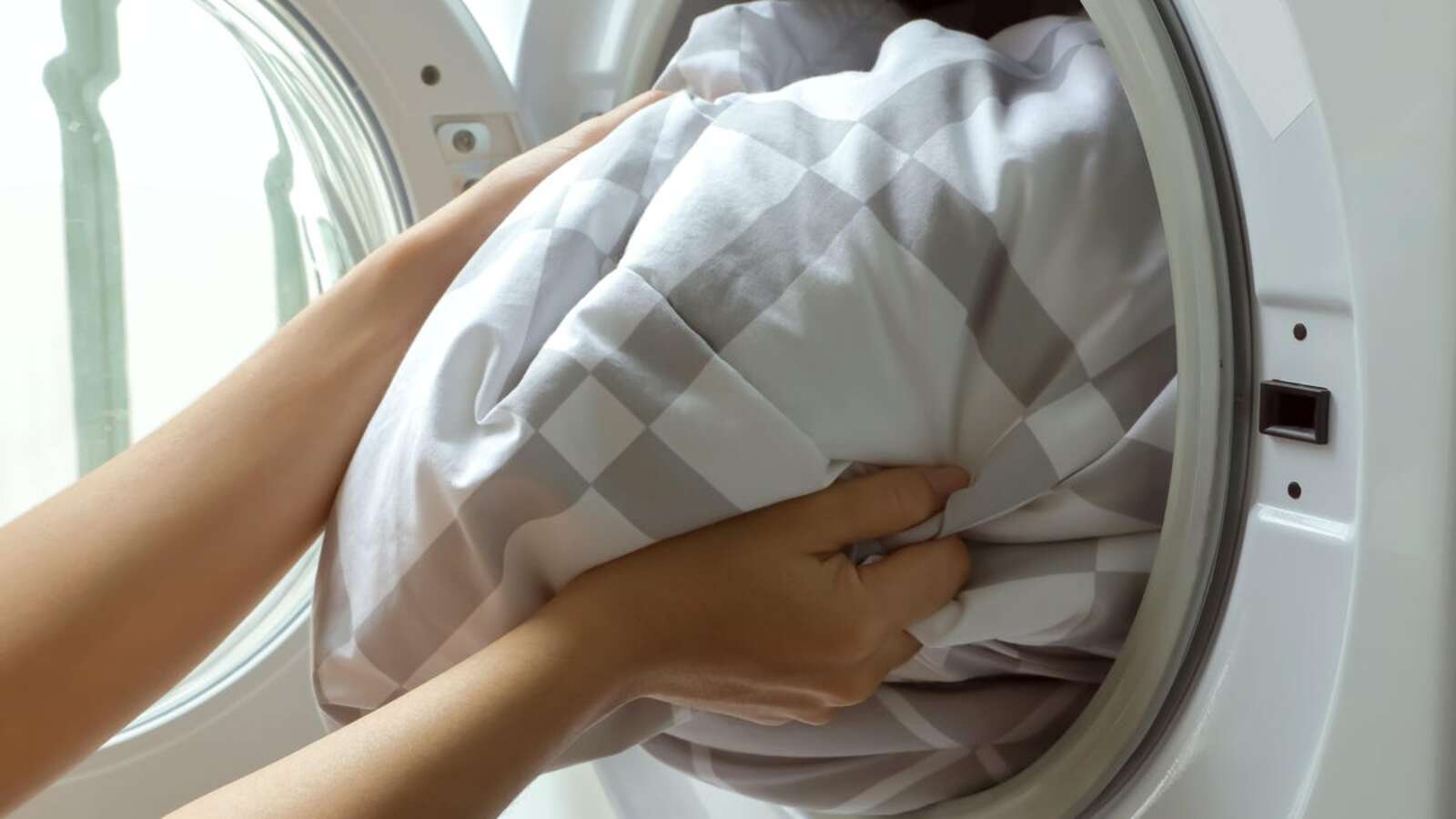
People use weighted blankets for a variety of reasons. According to Healthline , research suggests that 5- to 30-pound therapeutic blankets “may help people with anxiety, autism, and insomnia, among other conditions.” By stimulating deep pressure, blankets relax the nervous system and mimic the feeling of being held or hugged (think baby swaddling, but for adults).
They can improve sleep quality and reduce stress, but they are not easy to wash off. While the outer fabric is usually a traditional fabric such as wool, cotton, flannel, linen or rayon, the filler that makes it heavy ” may include microfiber balls, sand, steel balls, pebbles or grains ” . (Other websites list plastic or “polyethylene” pellets and organic materials such as dehydrated food as potential fillers.)
So how do you safely clean a duvet made from these unconventional materials? Here are some tips beyond what’s on your duvet’s label.
How to wash a weighted blanket (in the washing machine)
First, a few general recommendations. The best way to wash a weighted duvet is to get a removable cover for it so you can wash it instead of the duvet itself. Don’t throw it on every spot or spot; clean the stain whenever possible. Use a mild detergent, avoiding laundry detergents such as fabric softener, bleach, vinegar, baking soda, or salt. Never wash or dry at high temperatures.
In general, blankets containing glass beads can be machine washed safely; Fewer steel rollers as rubbing against the outer fabric of the quilt can cause the quilt filling to tear and leak. Plastic pellets are washable, but heat should be avoided as they may melt.
Air drying recommended. However, depending on the materials, they can withstand drying out. To do this, you can head to the launderette for a larger commercial size dryer. Always use low heat (unless stated otherwise in the manufacturer’s care instructions).
How to hand wash a weighted blanket
Fill the tub with cold water and soak the duvet in a mild detergent without bleach. Wash carefully. Air drying is recommended; roll it first to remove excess water. Then lay the blanket out evenly on the drying surfaces, making sure that the inside contents are evenly distributed.
Dry clean only
Weighted blankets with organic fillers such as corn, beans, rice or sand should be left to a professional. Natural fills do not hold well under water – they can get wet or moldy, and the sand forms lumps, which make the blanket look lumpy. Blankets made from wool, a fabric notoriously reactive to water, should also be taken to local dry cleaners.
How often should a weighted blanket be washed?
It depends. If you use it at night, your duvet (or preferably its removable cover) should be laundered every few weeks to remove sweat, grease, and bacteria buildup. If it is used only occasionally for sleeping or watching TV, it is enough to wash 4-6 times a year. Avoid washing too often to maintain longevity, durability and proper distribution of fill. Washing too frequently can cause the duvet to degrade more quickly and increase the chance of it tearing and spilling the contents.